
The urological cancer treatment has evolved remarkably thanks to the development of advanced and minimally invasive surgical techniques. Currently, the bladder, kidney, prostate and testicular cancer, can be addressed through high-precision procedures such as robotic surgery Da Vinci, the treatment HIFU, the laparoscopy wave endoscopic resection, endoscopicthis allows for effective tumor treatment while minimizing the impact on healthy tissue. Early detection and specialized diagnosis are essential to increase the chances of success and offer the patient a faster, safer recovery with better functional outcomes.
Treatment for bladder, kidney, prostate, and testicular cancer is indicated for patients diagnosed with localized or advanced urological tumors, depending on the technique and the stage of the disease. Treatment selection is personalized, taking into account the type of tumor, the patient's age, and their overall health.
The treatment of bladder, kidney, prostate and testicular cancer encompasses various medical and surgical procedures designed to eliminate, control, or slow the progression of tumors affecting the male urinary tract. The primary goal is to treat cancer effectively while preserving urinary function and the patient's quality of life as much as possible.
These types of cancer occur when certain cells undergo genetic alterations that cause abnormal and uncontrolled growth. While some urological tumors progress slowly, others can be more aggressive and spread rapidly to nearby tissues or other organs. Therefore, early diagnosis and expert evaluation are essential to determine the most appropriate treatment in each case.
Currently, minimally invasive techniques have become established as standard treatments in urological oncology. Procedures such as Da Vinci robotic surgery, advanced laparoscopy, the treatment HIFU focal wave transurethral resection allow more precise treatment of prostate, kidney, bladder, or testicular cancer, with less bleeding and a faster recovery compared to conventional surgery.
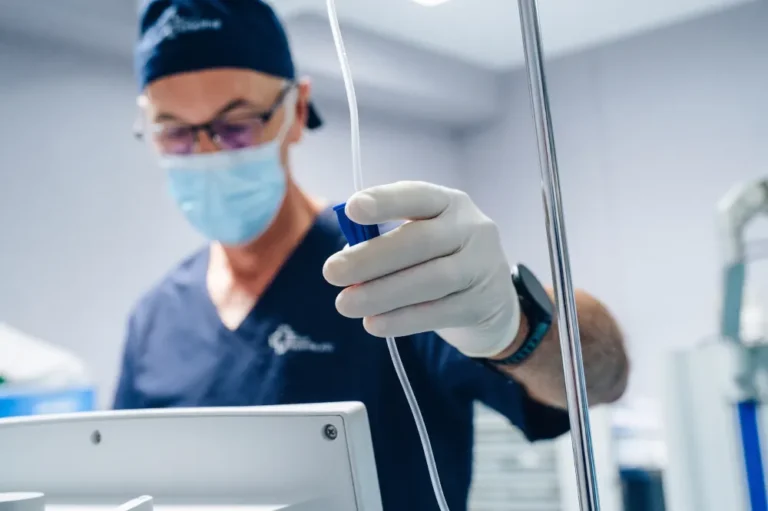
The treatment of urological cancer It begins with a comprehensive medical evaluation to determine the type of tumor, its location, and the stage of the disease. Based on this assessment, the specialist defines the most appropriate technique for each patient, always prioritizing maximum precision and safety during treatment.
Technological advances in urology have led to the development of more precise, safer, and less invasive treatments for bladder, kidney, prostate, and testicular cancer. These techniques offer significant advantages both during surgery and in postoperative recovery.
The incorporation of advanced technology in urological surgery allows for more effective and precise treatments for bladder, kidney, prostate, and testicular cancer. Techniques such as Da Vinci robotic surgery, HIFU, advanced laparoscopy and the transurethral resection They offer greater surgical control and a less aggressive intervention.
Medical expertise and specialization in urologic oncology are key to achieving optimal results. The use of state-of-the-art equipment, combined with a personalized approach, allows us to offer treatments tailored to each patient with a high level of precision and safety.
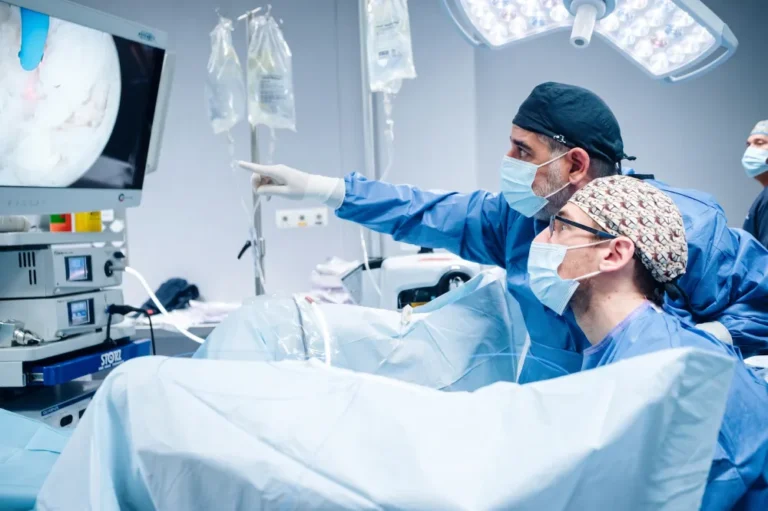
Everything you need to know about the treatment of bladder, kidney, prostate, and testicular cancer.
Each type of urological cancer requires an individualized assessment. The specialist studies factors such as the type of tumor, the stage of the disease, the patient's age, and their overall health to determine the most appropriate treatment. Thanks to current techniques, it is possible to personalize each procedure to achieve maximum effectiveness with the least possible impact on quality of life.
Current treatments for bladder, kidney, and prostate cancer offer significant clinical and functional benefits:
Recovery time will depend on the type of cancer treated and the technique used. Minimally invasive procedures generally result in a faster recovery, less postoperative pain, and a gradual return to normal activities.
At Urovinci, we use techniques such as Da Vinci robotic surgery, HIFU, advanced laparoscopy, and transurethral resection, which offer greater surgical control and a less invasive procedure. We have all the options to choose the best technology for each case.